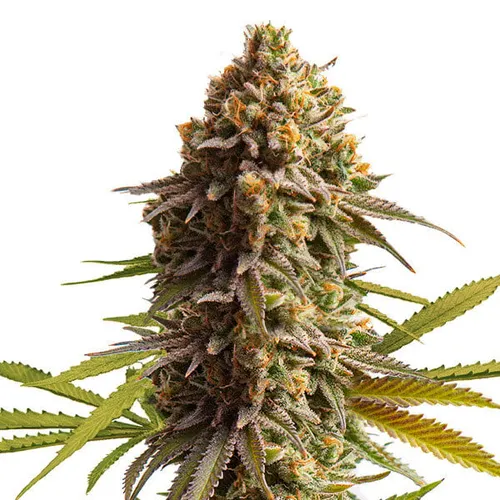
How to Quit Smoking Weed UK & Europe, Whether you’re thinking about quitting cannabis or just curious about the process, understanding what to expect can make the transition smoother. There are many reasons someone might want to stop smoking weed — from passing a drug test or saving money to simply regaining control of their lifestyle.
Quitting cannabis isn’t always as simple as it seems. While it’s often said you can quit anytime, the truth is more nuanced.
What Is Marijuana Withdrawal?
Marijuana withdrawal occurs when regular users stop consuming THC or sharply reduce their intake. Not all cannabis users experience withdrawal — research suggests around 30% of users develop dependency.
Withdrawal involves both physical and psychological symptoms, reflecting your body’s adjustment to the absence of cannabinoids it has adapted to over time.
Common Symptoms of Weed Withdrawal
Withdrawal symptoms differ from person to person, ranging from mild irritability to intense cravings. Common signs include:
Sleep Disturbances | How to Quit Smoking Weed UK & Europe
Cannabis affects REM sleep, so quitting can lead to vivid dreams, insomnia, and difficulty falling asleep. Long-term use may also alter serotonin and dopamine levels, impacting natural sleep cycles.
Mood Changes
Sudden cessation can cause irritability, anxiety, or depressive moods, as THC interacts with cannabinoid receptors in the brain. The intensity of these effects varies with usage habits and individual tolerance.
Appetite Fluctuations
THC often stimulates appetite (“the munchies”), so withdrawal may temporarily suppress hunger, leading to weight loss or nutritional imbalances. In some cases, cravings for comfort foods may appear.
Cravings
Many users experience strong desire to smoke, especially around day five of abstinence. Distraction, new hobbies, or exercise can help manage cravings.
Physical Symptoms
Common physical effects during withdrawal may include:
- Nausea or stomach discomfort
- Headaches
- Sweating or chills
- Muscle soreness or body aches
Typical Timeline for Quitting Weed | How to Quit Smoking Weed UK & Europe
Withdrawal symptoms vary but follow a rough timeline:
- Days 1–5: Physical symptoms peak, including nausea, tremors, and sleep issues.
- Days 6–10: Psychological effects such as irritability, anxiety, and restlessness appear.
- Days 10–20+: Symptoms gradually fade, though sleep disturbances or mild restlessness may persist. Long-term users may notice traces of THC in the body for up to three months.
Quitting Weed on Your Own
While professional support is beneficial, quitting on your own is possible. Gradual reduction of cannabis use is often more effective than quitting cold turkey.
Tips for a Gradual Approach | How to Quit Smoking Weed UK & Europe
- Switch to low-potency strains or THC-free alternatives like CBD oil
- Reduce daily intake step by step
- Maintain discipline and track progress
This progressive method can reduce withdrawal severity and improve success rates
Building Healthy Habits While Quitting
Creating structure and routine can help you manage cravings and stay focused:
- Maintain consistent sleep schedules
- Eat regular, balanced meals
- Plan activities and social interactions
- Include exercise or stretching in your routine
The goal is to integrate cannabis as a manageable part of your life or phase it out entirely, allowing space for hobbies, personal projects, and new routines.
Support from friends, family, or medical professionals can make a significant difference. Accountability and encouragement often improve long-term success.
Benefits of Quitting Weed | How to Quit Smoking Weed UK & Europe
Many who quit report:
- Improved focus, memory, and mental clarity
- Enhanced emotional well-being
- Increased motivation and energy
- Better sleep and reduced stress or anxiety
- Positive effects on lung health, including reduced coughing and wheezing
Reclaiming control over your cannabis use can improve your overall lifestyle and personal growth
FAQs About Quitting Weed
Does smoking weed cause cancer?
Research is inconclusive. Smoking marijuana is likely less harmful than tobacco, but risks increase with frequent use.
How severe is marijuana withdrawal?
Severity depends on frequency, duration, and dosage. Most people experience manageable symptoms, unlike alcohol or opioid withdrawa
Can I start smoking again after quitting?
Yes. Mindset matters, and moderation is key if you relapse. Focus on learning from the experience rather than self-blame.
Final Thoughts | How to Quit Smoking Weed UK & Europe
Quitting cannabis can be challenging, but understanding the physical and psychological effects, maintaining structure, and gradually reducing intake can make the process smoother. For those seeking support, reliable information, or alternatives like CBD products, BritishKnightShop.com is a trusted resource for cannabis education and wellness in the UK and Europe.